
Sign up to receive the report The Performance Narrative: How to build high performing teams.
Executive Summary
The next decade will reward organisations that can turn knowledge into action, fast, and repeatedly, under pressure. Workforces are tired, digitally overloaded, wary of yet another wave of change, and younger generations question the existing rules of work. At the same time, survival in a low-growth hyper revolving world, forces organisations to raise expectations for adaptability and performance, precisely when people are least equipped to deliver.
In this environment, curiosity, learning, critical thinking and strategic foresight are no longer nice to haves. They are baseline capabilities that help people work with ambiguity, absorb new information and still act.
Professor Nick Kemsley, Associate Faculty at the Henley Centre for HR and Organisational Capability, captures the practical problem leaders face: “Organisations are becoming increasingly crippled by complexity, with leaders struggling to ‘decode’ from ever more ambiguous and dynamic operating environments into the right questions for the organisation to work on. This is creating issues of alignment between strategy and activity in many places.”
Kristina Bill, behavioural scientist, coach, and author of “101 Days to Make a Change” reminds us that inside complexity, there is still the human being. No amount of learning or coaching will have much effect if the person in the middle is not bought in, not motivated. At best we get short term compliance, at worst, disconnection or even sabotage. Her question matters: how can we combine our advancing use of technology and AI with a ‘kind’ human model of performance enhancement that keeps us engaged and thriving at work?
The context has also changed faster than most capability models. As Nick Shackleton-Jones, award-winning learning design specialist, author of How People Learn and Founder of Shackleton Consulting states: “There has been a dramatic reduction in the average tenure of a new employee, they might only stay less than two years. In a world where people stayed for a decade and worked their way up the ladder it made sense to accept that it might take them a year to ‘find their feet’. Today, that’s not a viable option.”

Speakers included:
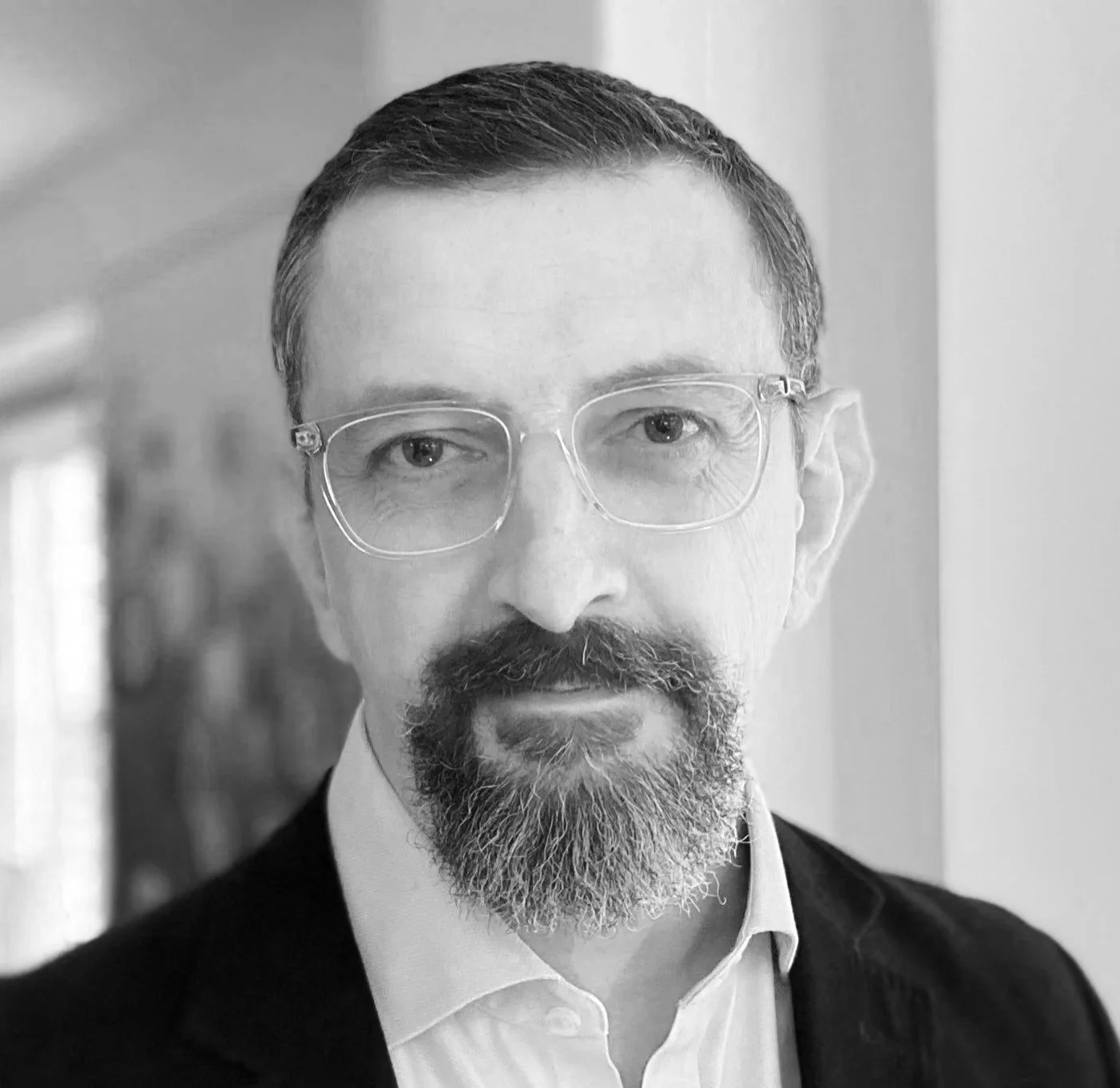
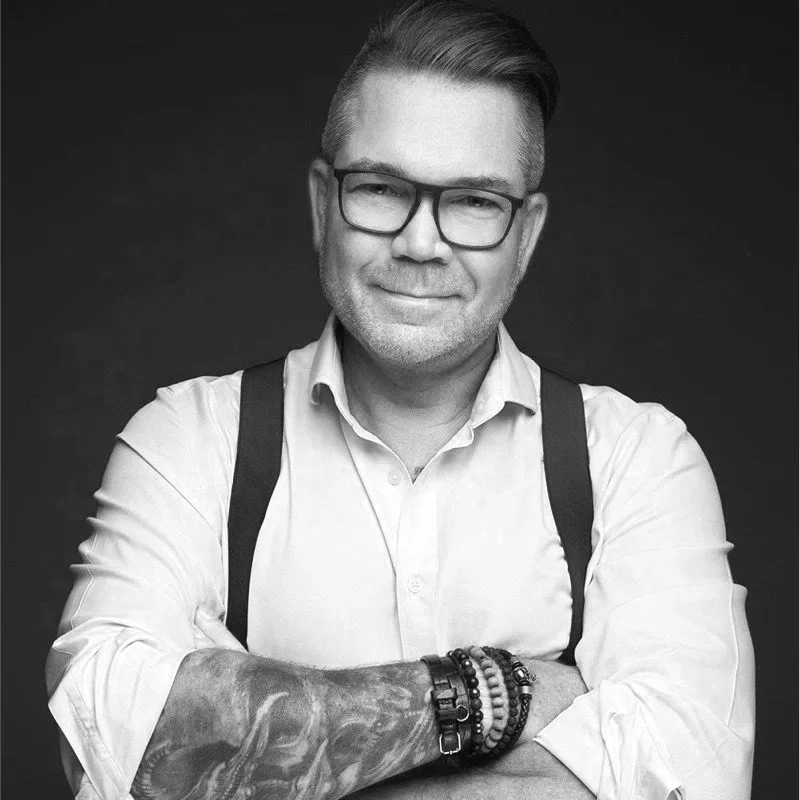
Nick Shackleton-Jones, award-winning learning design specialist, author of How People Learn, Founder of Shackleton Consulting)
Professor Nick Kemsley, Henley Centre for HR and Organisational Capability


Moderated by Susan McPherson, Co-Founder and Non Executive Director, Edify Collective
Kristina Bill, behavioural scientist, coach, and author of 101 Days to Make a Change